


Meditations Over Vegetable Meatballs in IKEA
Settling our daughter into her new apartment involved, as such an event always does, a visit to IKEA (where available). The three of us paused for an in-store lunch and were discussing IKEA’s efforts to make their furniture and other offerings environmentally friendly, including
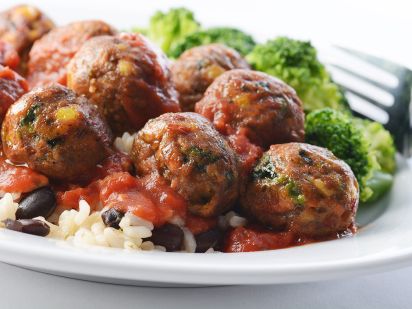
the vegetarian meatballs in the cafeteria. My daughter is, for the most part, vegetarian, even vegan much of the time, although she is opportunistic when pork sliders happen along. She and I ordered the vegetable meatballs which we very much enjoyed, although the extra lingonberry preserves I requested certainly enhanced the experience. We talked about IKEA’s changes. Here is an excerpt:
Michael: “The most significant contribution one can make to the health of the planet at this time, in terms of minimizing one’s carbon footprint, is not to have children. Eating a plant-based diet is a fraction of the impact on the earth that not having a child would be.”
Julie: “What if one adheres to a child-based diet?”
Michael: ” It helps only if you eat the live ones.”
Tasty Daughter: “Not making me feel better.”
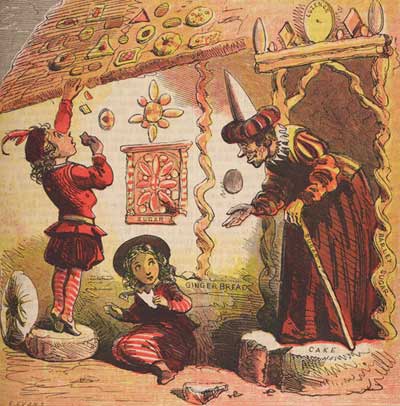
As we pondered the concept of a child-based diet, Michael remarked, “Infants would be the equivalent of lamb in a child-based diet.” Someone was thinking too much about this.
Getting Down, Watership-style
I first read Watership Down when I was 13 and it remains a favourite book of mine. For those who don’t know Richard Adams’ book about a warren of rabbits facing a possible existential threat and their subsequent adventures, all I can say is Hop To It! and read it. The book includes its own rabbit lexicon and, like James Clavell’s Shogun (also a fabulous read), one becomes immersed not only in the cultural aspects of 17th century feudal life in Japan but also in the language (although Shogun features Japanese, not rabbit vocabulary. Kind of fun to imagine it the other way around: “Yabu-sama, some unagi [eel]?” “Iye, Mariko-san, I’m going out to silflay.”).
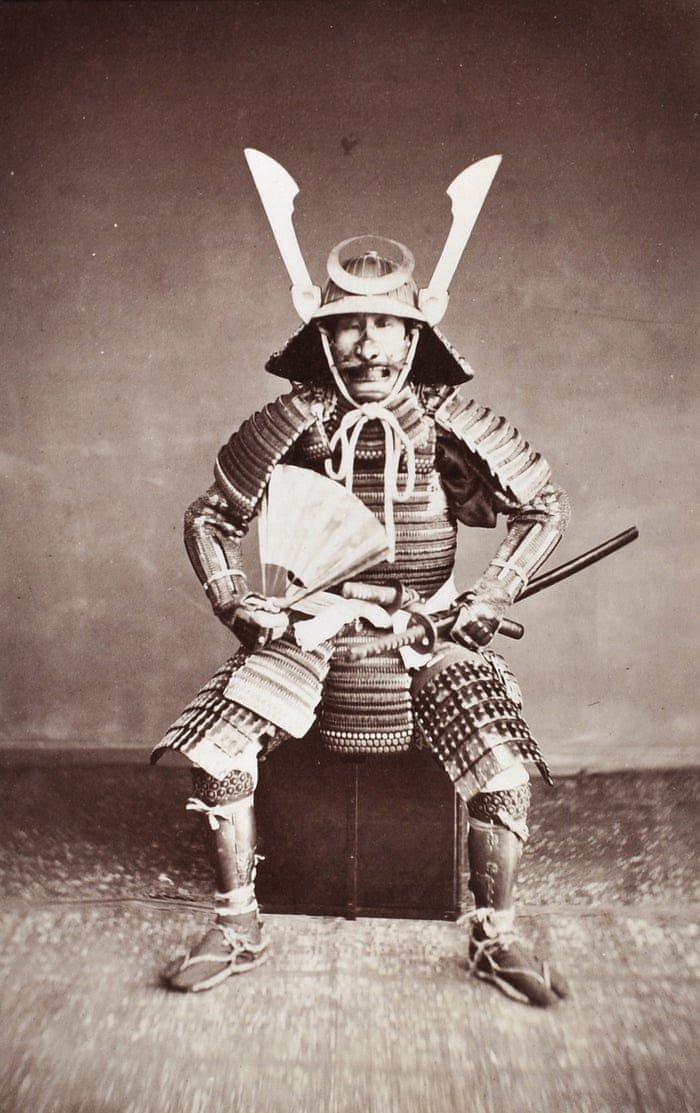
Even as Shogun gives you a passing acquaintance with Japanese words and phrases, Watership Down will, perhaps, find you thinking rabbity sorts of thoughts. The comparison between the two books ends there: no rabbits commit seppuku (ritualistic suicide) in Watership Down, and the Anjin-san doesn’t go crazy over carrots, nor does Toranaga press his chin glands when satisfied. [Perhaps shogun‘s Ishido resembles, in character, Watership Down‘s Woundwort, in his rapacity sans ambitious vision, but… Yes, I’ve read both Shogun and Watership Down [too] many times over the years and, no, I do not confuse them. I have obsessed about both books just a little…]. ANYWAY…
One recent evening, at dinner:
Julie: “Does lettuce have any nutritional value?”
Michael: “Dunno. Water, minerals.”
Julie: “Well, rabbits like it. A lot. It’s flayrah to them.”
Michael: “???”
(I explain the Watership Down terminology)
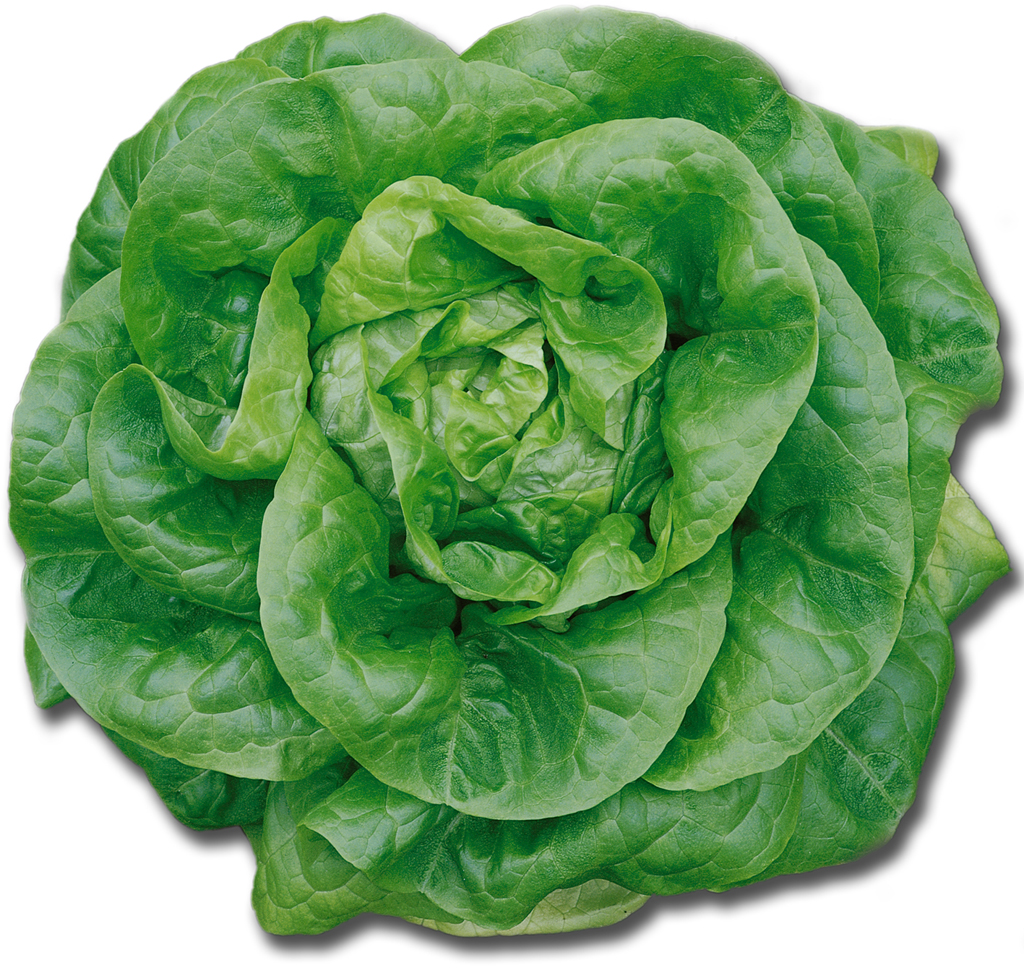
Julie: “Flayrah! You know, “special”, worth raiding a garden for.”
We now use the term “flayrah” in our house.

Pudding Punditry
I wanted to try making chocolate pudding from scratch rather than use Bill Cosby’s much-touted Jell-O brand that sticks to the roofie of your mouth. I was craving chocolate pudding and I just wanted to reduce further still the amount of processed food we eat. Because it would be better to find more ‘natural’ forms of chocolate pudding. I asked Michael if he would eat chocolate pudding if I went to the trouble of making it from scratch:
Michael: “Not a pudding fan. I’m not sure why. (Pause). Maybe I need to rethink pudding.”

A few weeks after this riveting exchange, we had dinner with some visiting British epidemiologists at the house of two lovely Canadian Anglophiles. Naturally, talk turned to dessert (for me, it is very natural that this occurs). I put the question to hosts and guests, asking about the British use of the the term ‘pudding’ in reference to dessert: What are the limitations involved in the terminology? Can pudding apply to any sort of dessert-offering such as cake or pie? The answer came swiftly and with consensus: apparently, “a pudding” refers to a sweet, any sweet, at the end of a meal, and includes custard or actual pudding. The conversation as my husband and I walked home after dropping off our carshare vehicle:
Michael: “So, custard is pudding in England? I really do need to rethink pudding, now. [I had ruthlessly mocked him for his earlier comment. This is our way.] Of course, I like dessert-as-pudding, that’s a no-brainer; I guess what I have difficulty with is custard, or pudding-as-dessert. I wish I could consult a Pudding Pundit.”
“A British pudding is a dish, savory or sweet, that’s cooked by being boiled or steamed in something: a dish, a piece of cloth, or even animal intestine.”
– The Internet
Synchronicity!
In the style of true synchronicity, Michael is traveling in China at the moment I’m writing this [November 2019], right at the time that I came across this pudding-snack item during my internet travels:
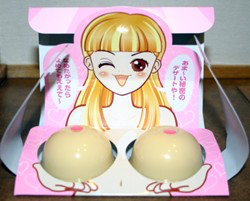
Where fashion sits: Puddin’ On The Tits!
A Walk Down Pudding-Memories Lane
On a side-note, does anyone of my 1960s/1970s cohort remember Shake-a-Puddin’? Add cold milk to the orange plastic container, shake, wait, then enjoy cold pudding. There was even a song… And 5-minutes’ worth of healthy exercise was built-in!
 I Started the Prozac In Paris
Still re-thinkin’…..
LikeLike
I well remember that orange pudding device, pictured above! And I have had chocolate pudding very recently—a real treat in our home! Only the “Cook and serve” one will do—none of that instant pudding for me, thank you
LikeLike